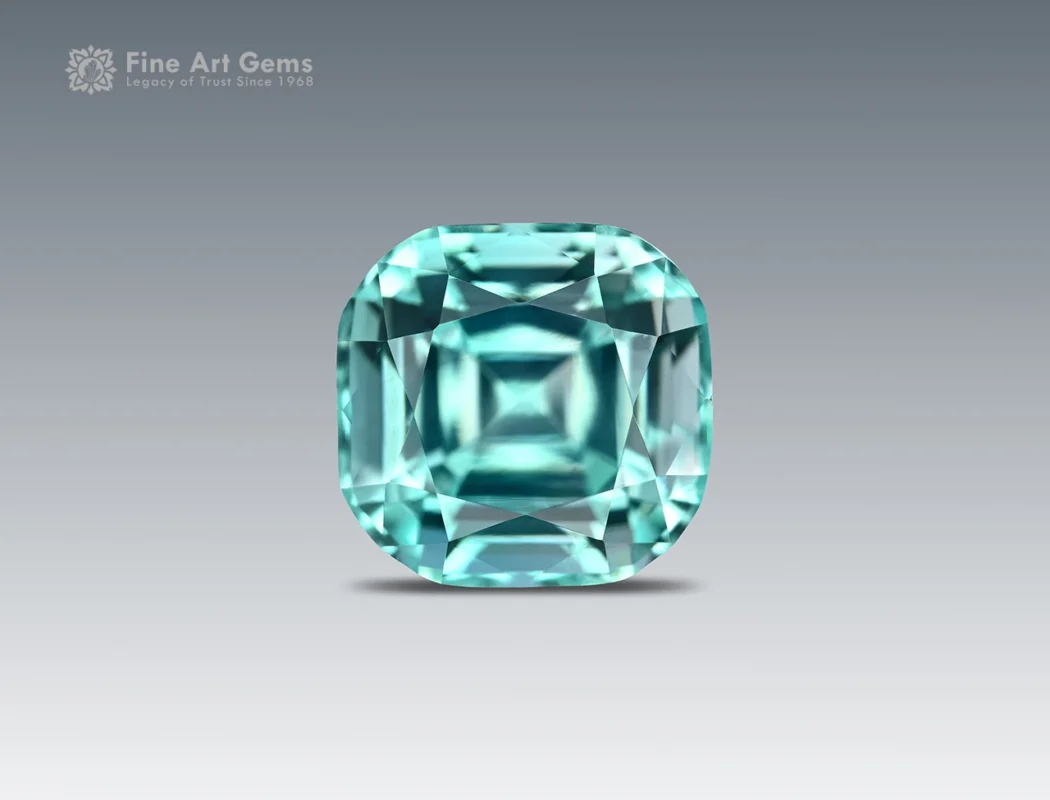
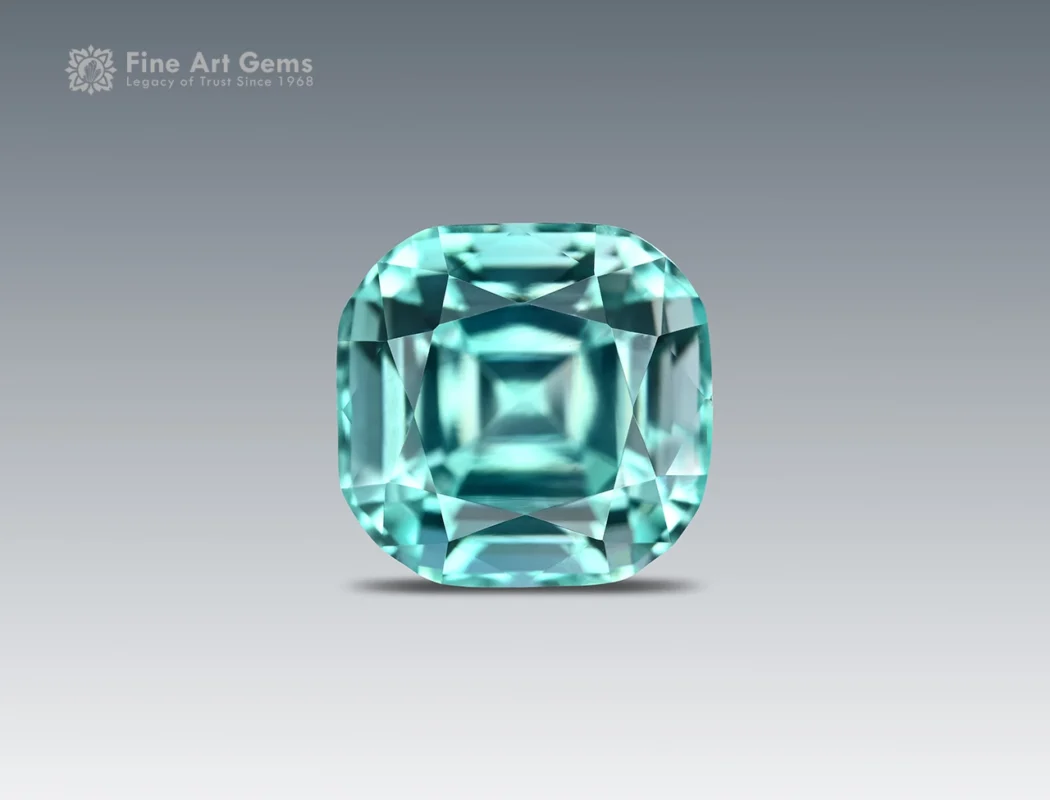
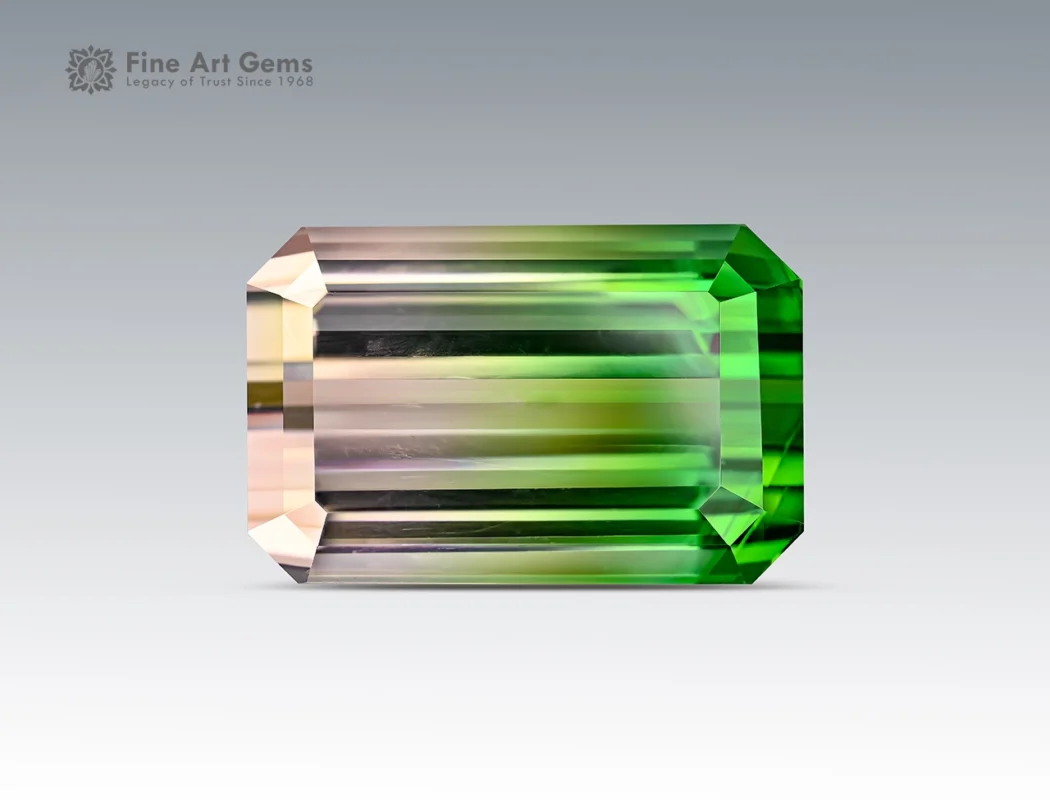
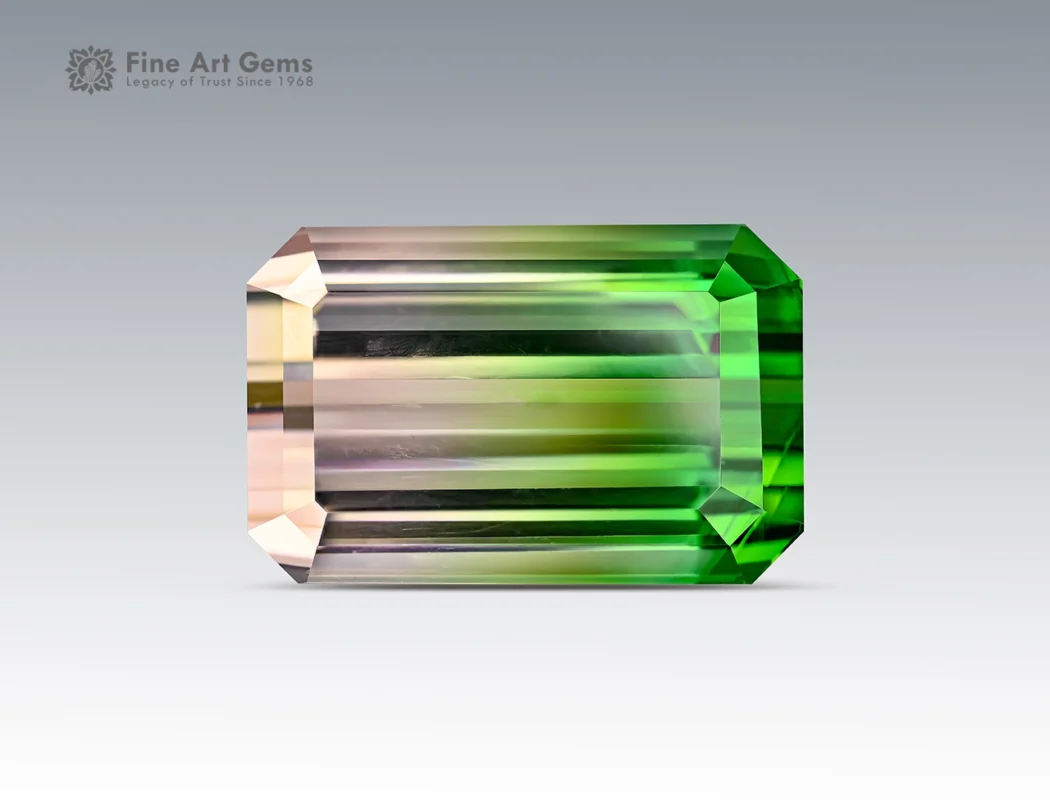
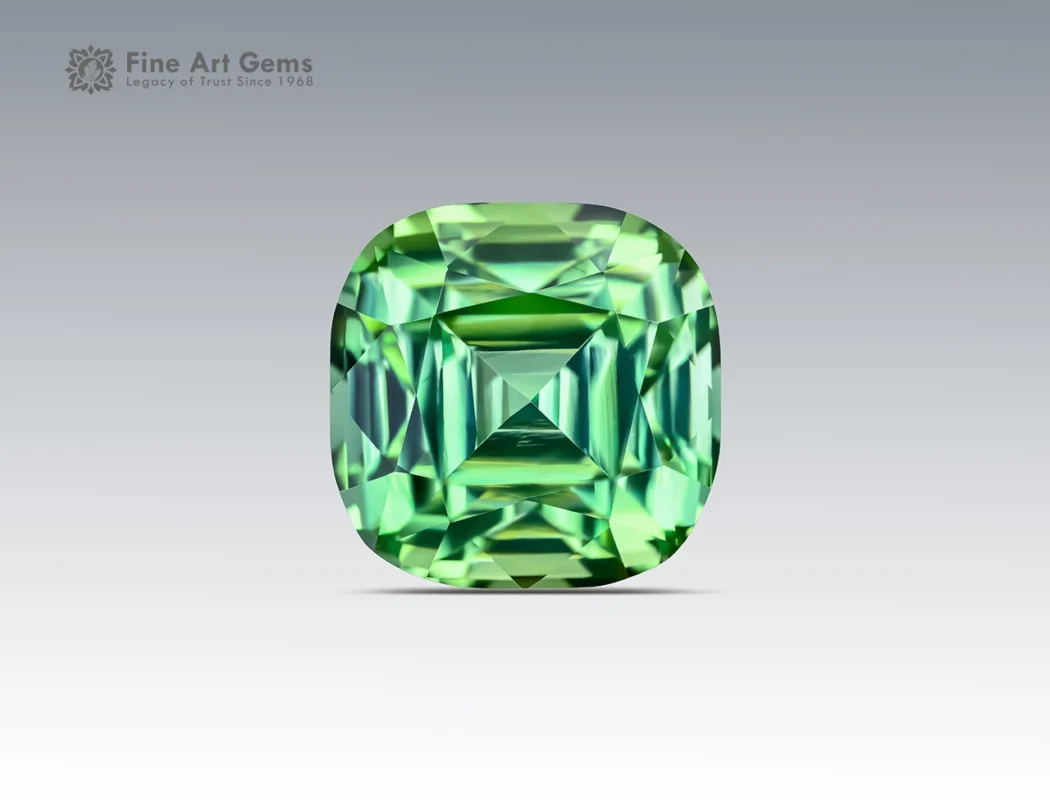
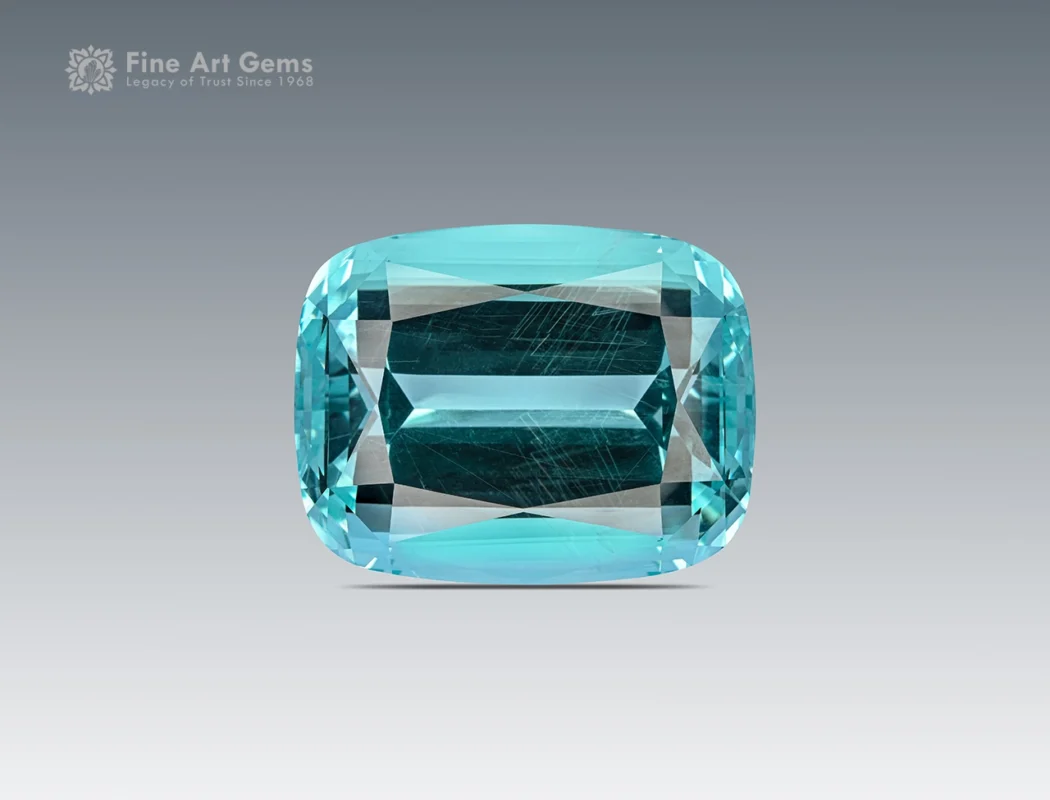
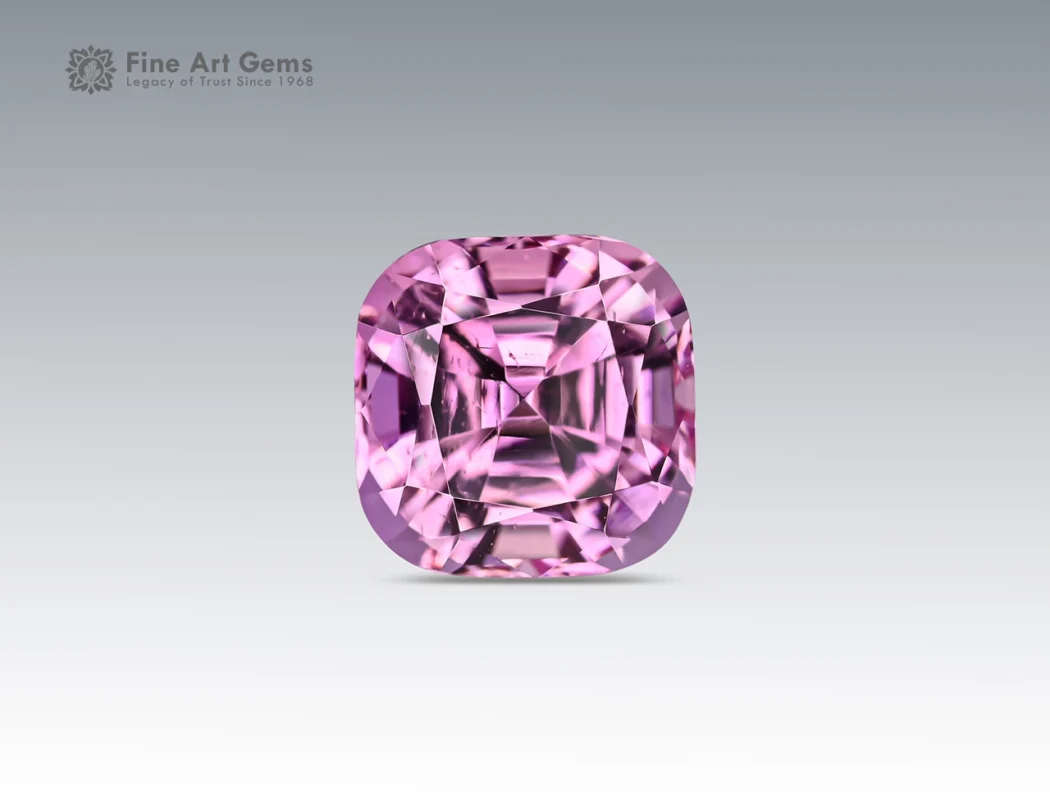
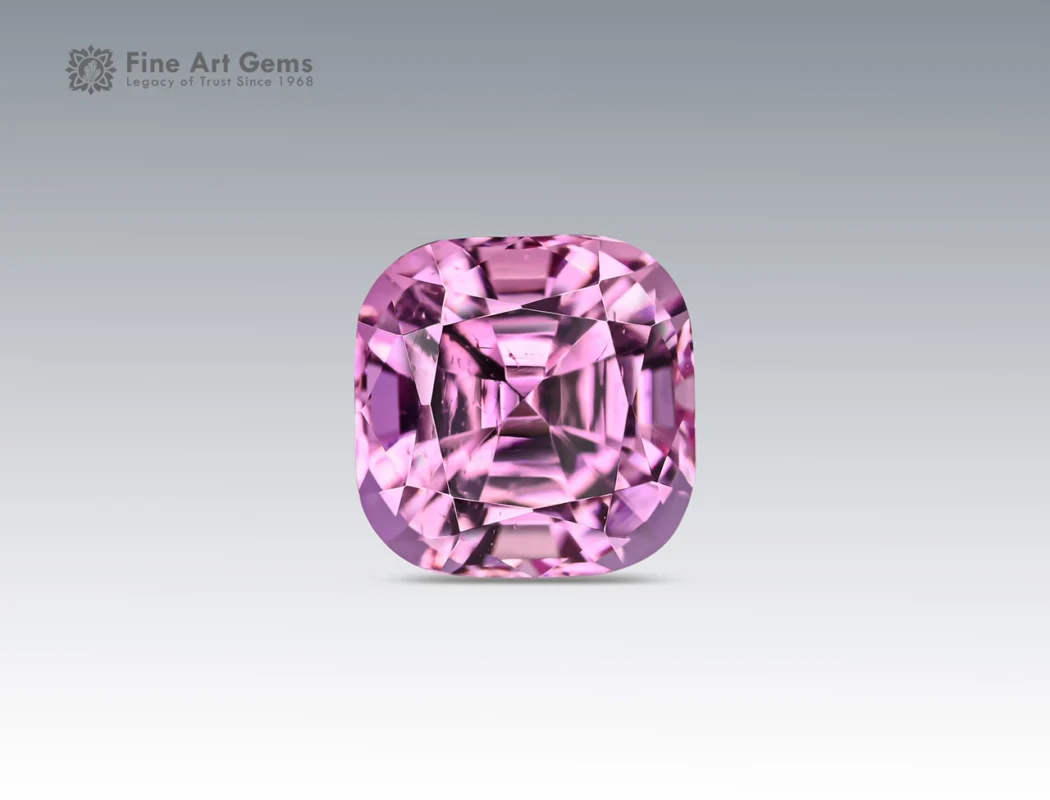
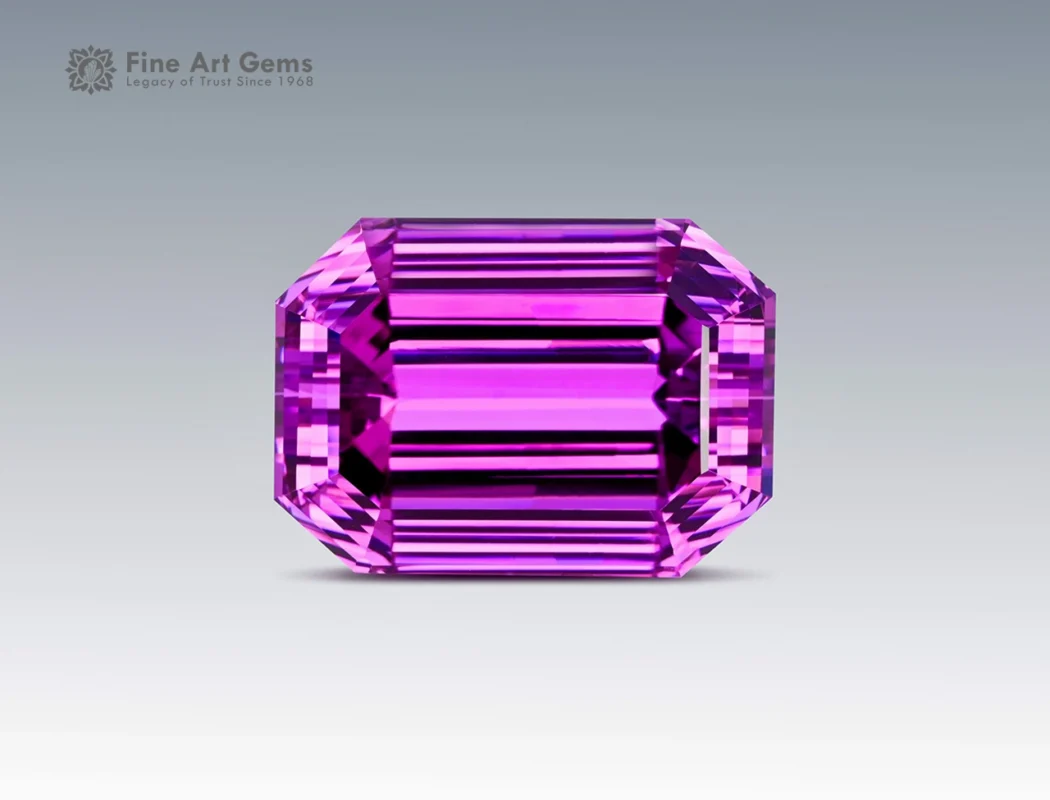
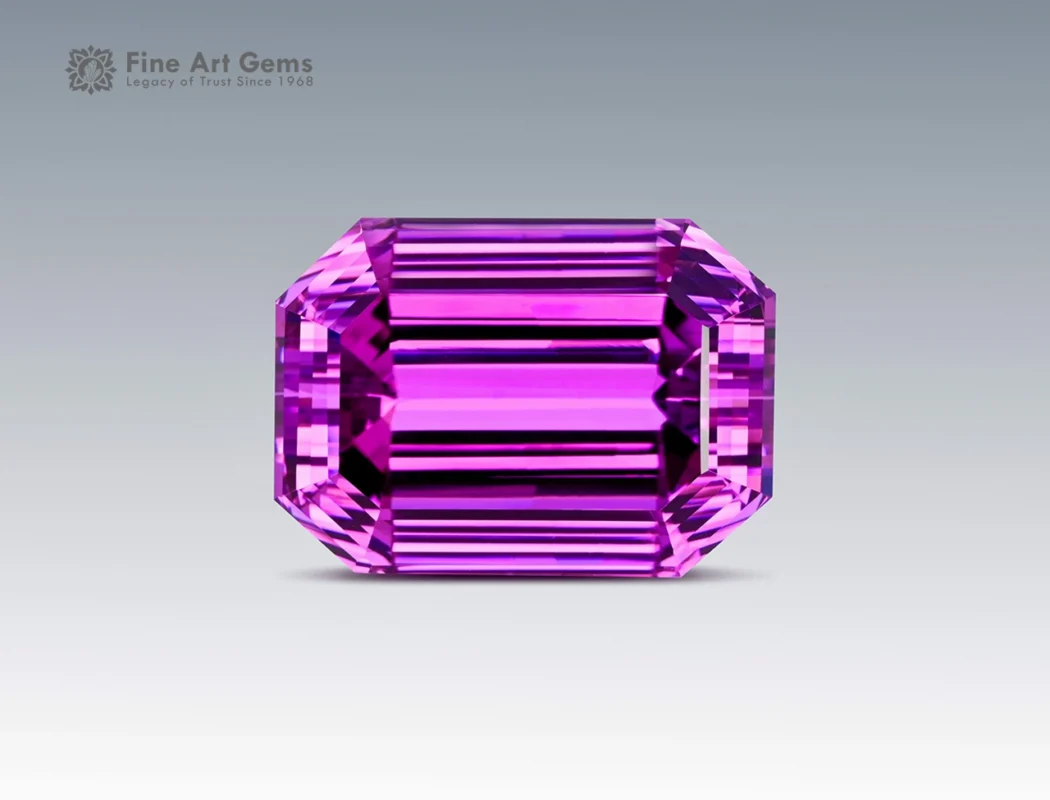
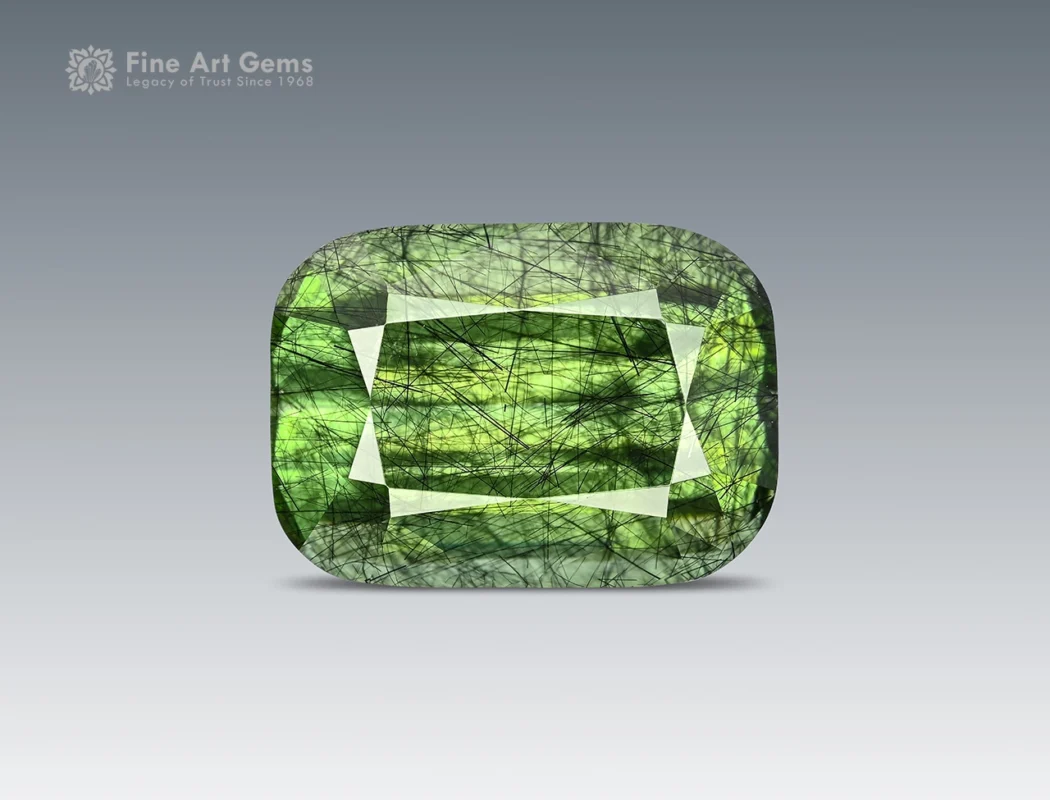
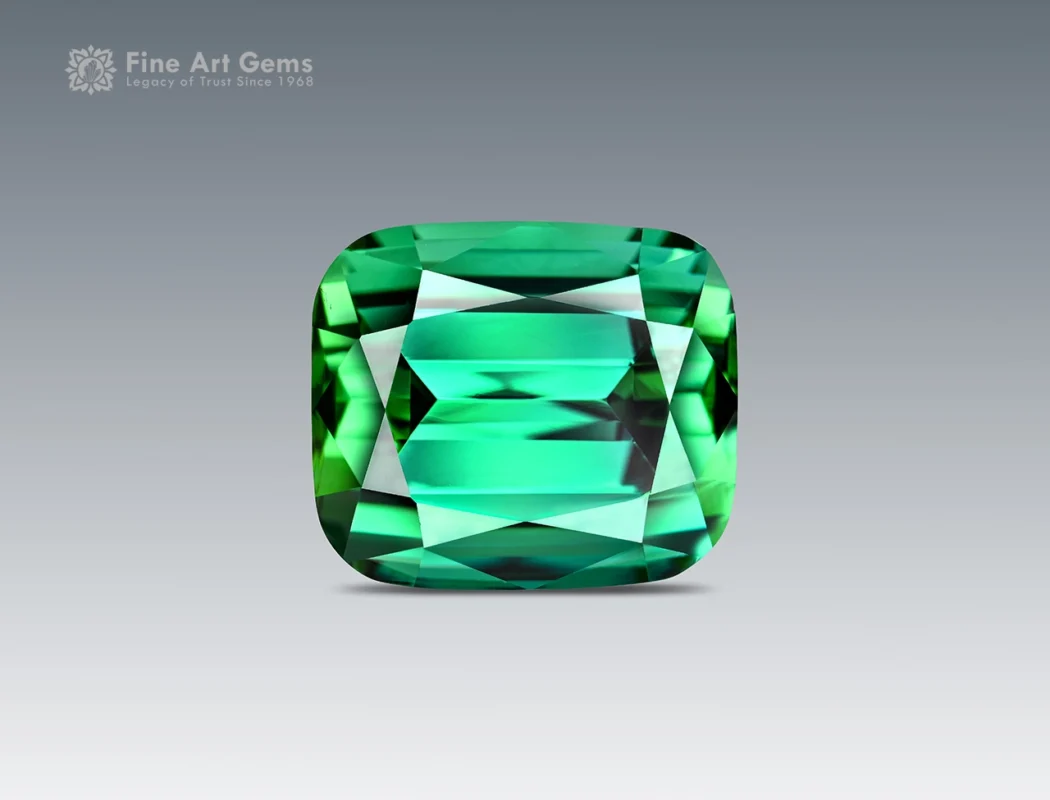
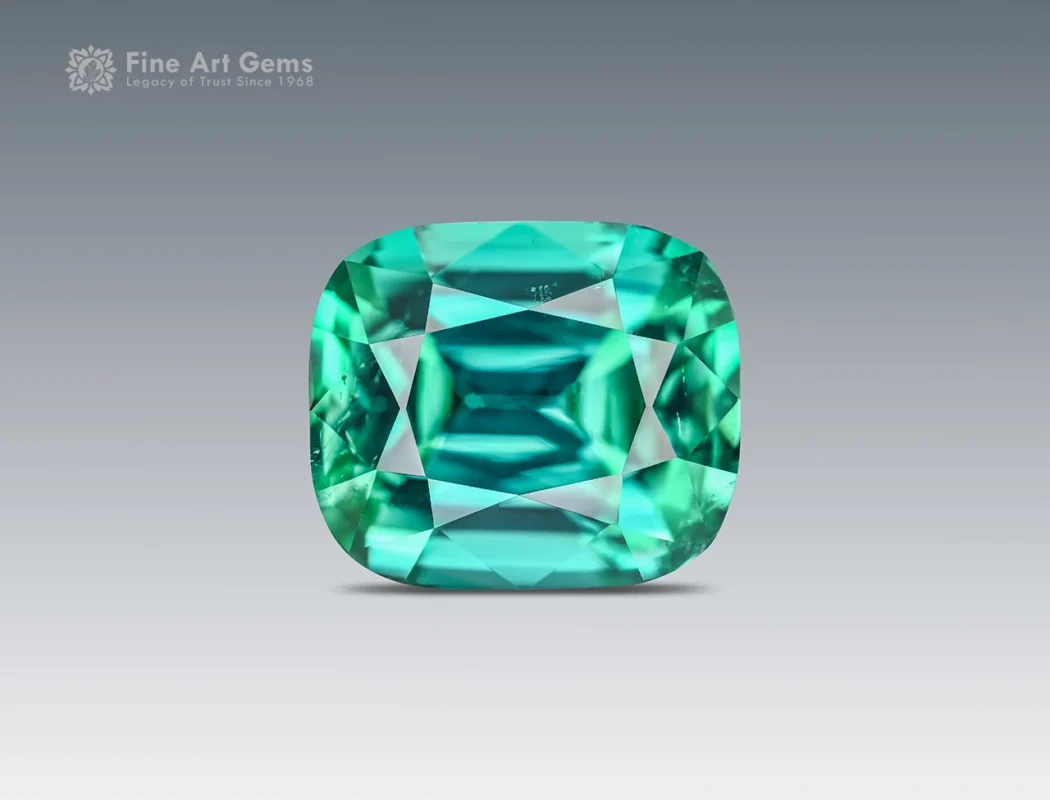
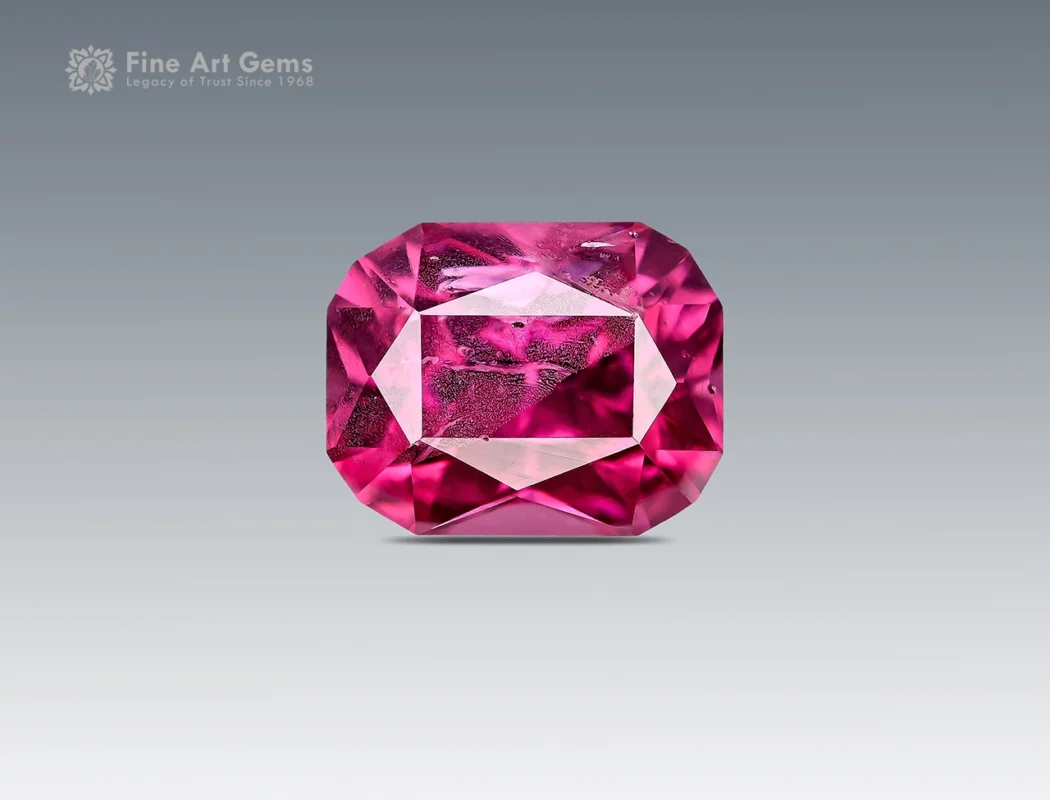
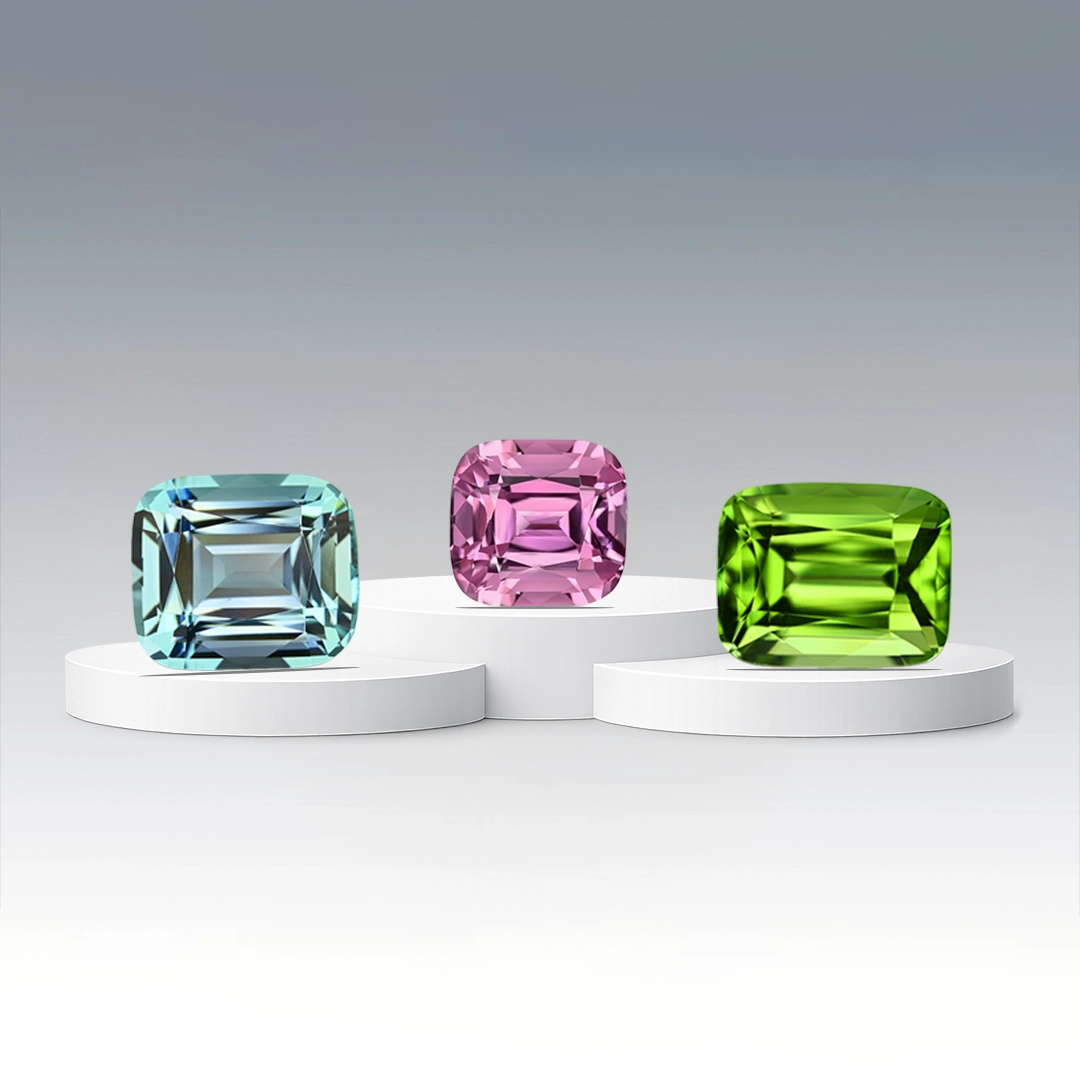
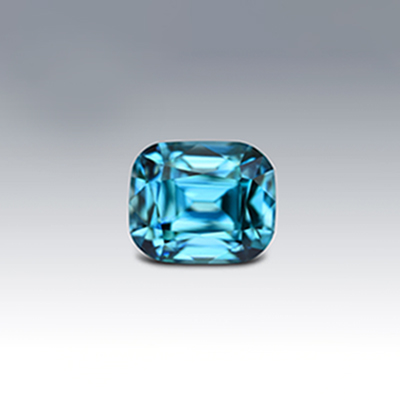
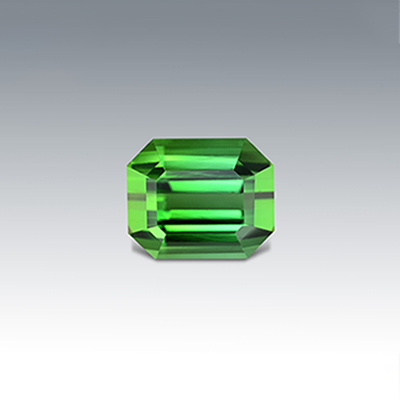
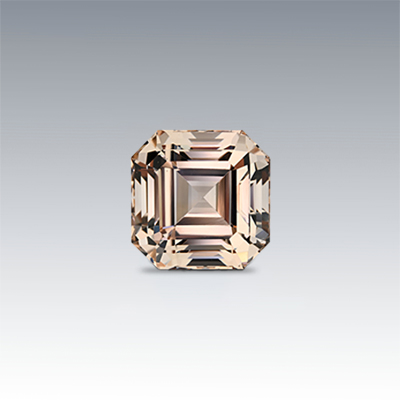
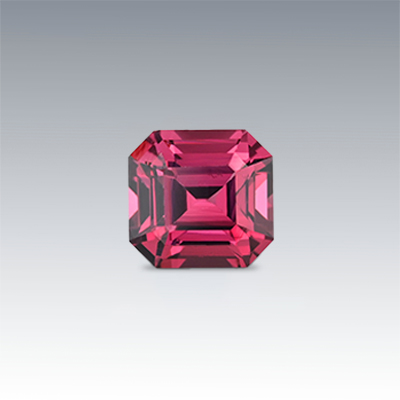
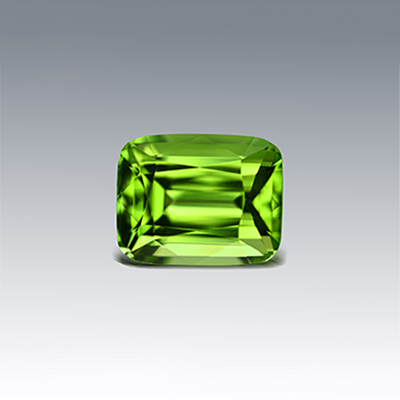
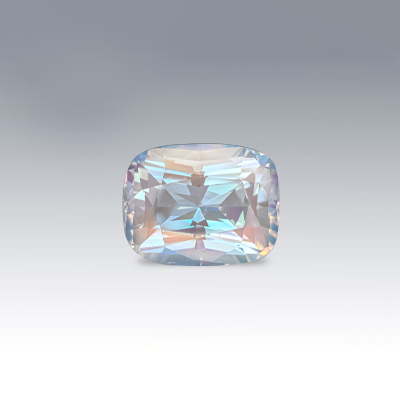
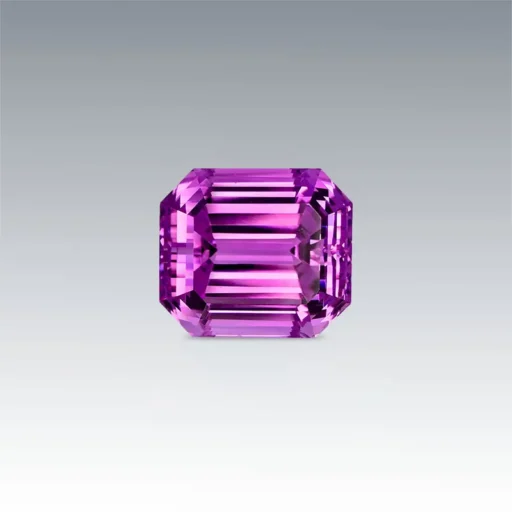
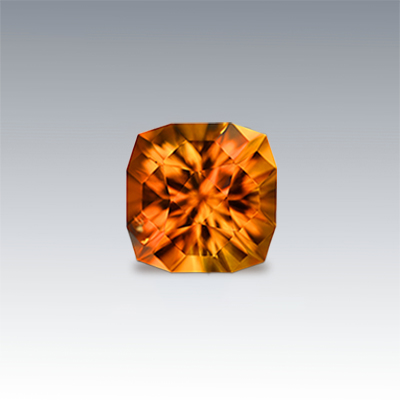
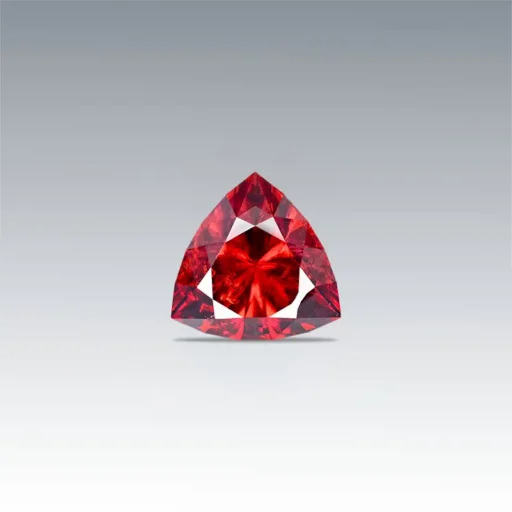
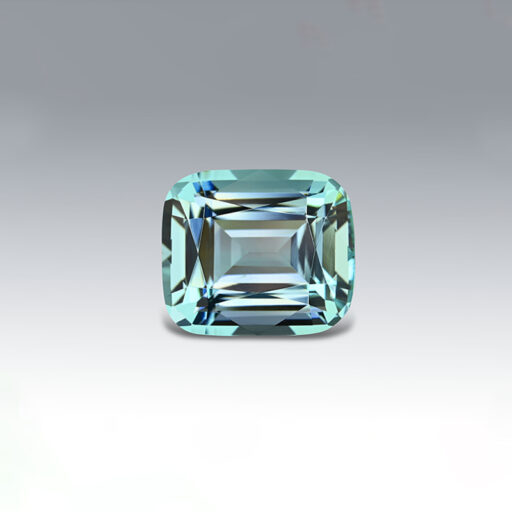
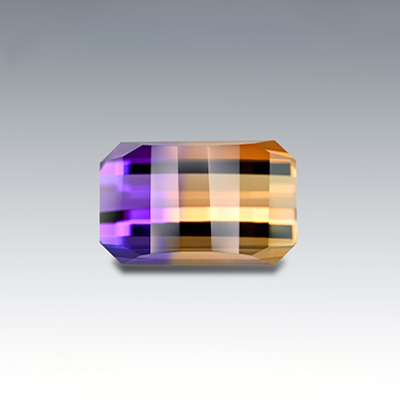
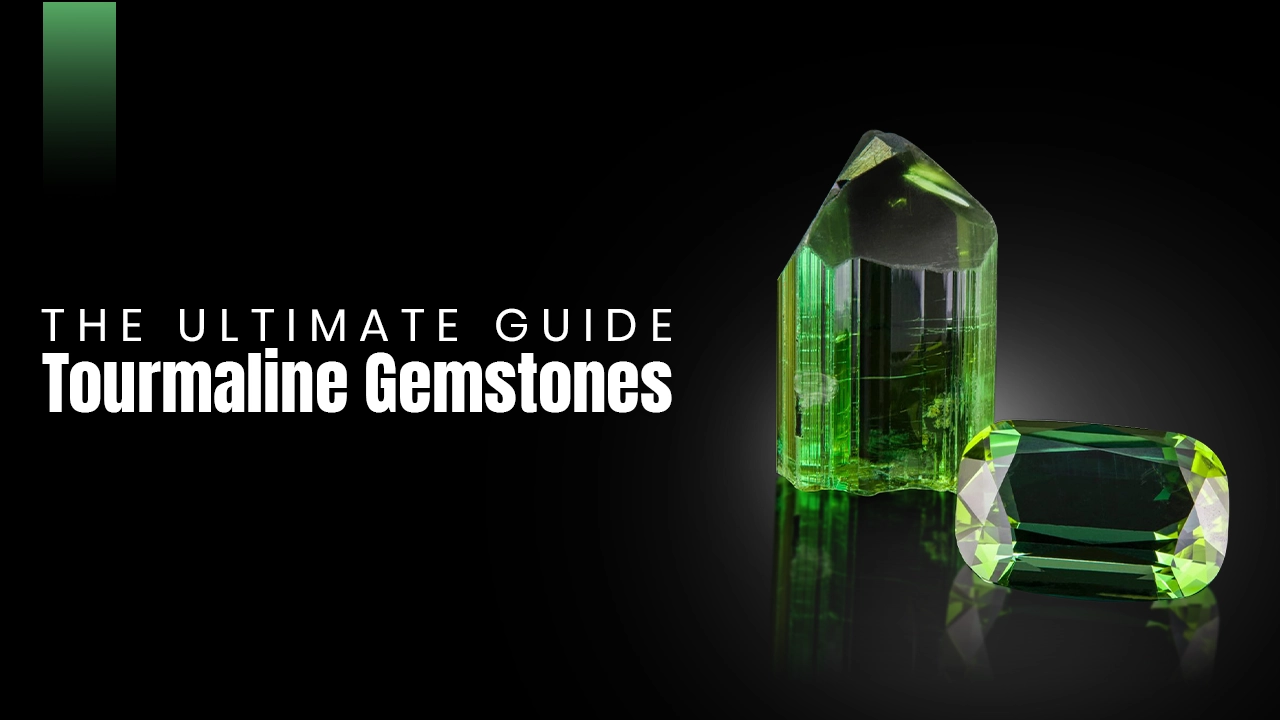
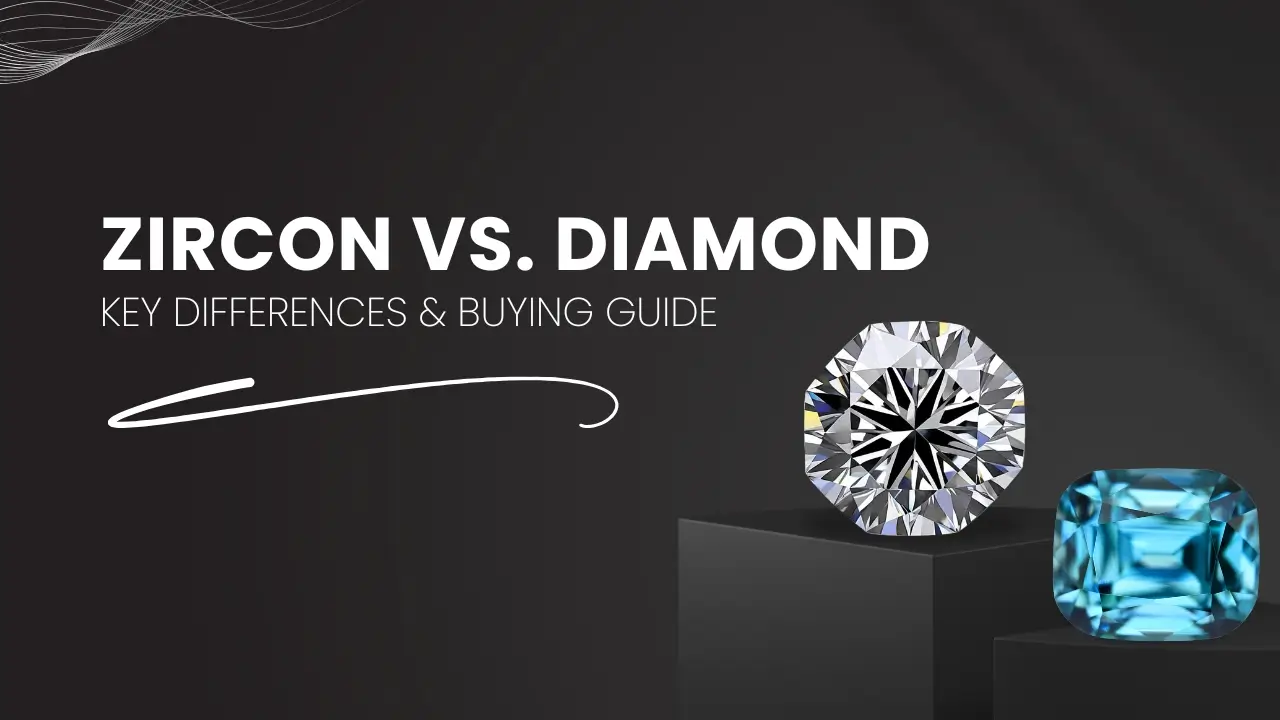
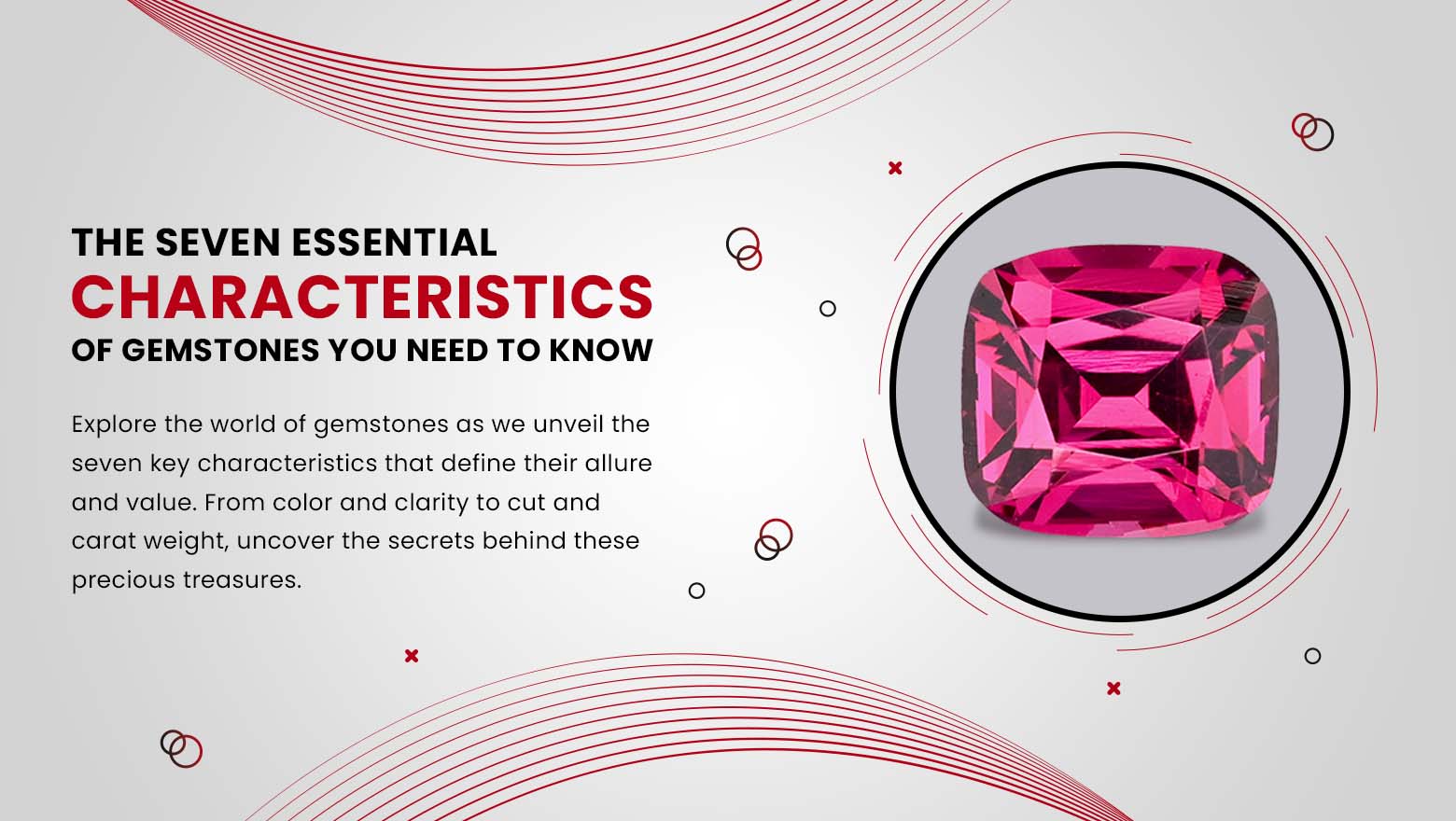
The Vault gallery Vault Add to wishlist 2.70 Carat Cushion Cut Tourmaline – Afghanistan POR View Product Vault Add to wishlist 61.30 Carat Emerald Cut Tourmaline – Afghanistan POR View Product Vault Add to wishlist 105.90 Carat Cushion Cut Tourmaline – Afghanistan POR View Product Vault Add to wishlist 1009.55 Carat Blue Topaz with Cushion Cut – South Africa POR View Product RareVault Add to wishlist 23 Carat Bastnaesite with Trilliant Cut – Pakistan $4,600.00 Add to cart Vault Add to wishlist 12.50 Carat Cushion Cut Indicolite Tourmaline Set – Afghanistan $2,250.00 Add to cart Vault Add to wishlist 3.75 Carat Cushion Cut Pink Topaz – Pakistan $2,100.00 Add to cart Vault Add to wishlist 463.85 Carat Emerald Cut Kunzite – Afghanistan $11,596.25 Add to cart Vault Add to wishlist 2.70 Carat Cushion Cut Tourmaline – Afghanistan POR View Product Vault Add to wishlist 61.30 Carat Emerald Cut Tourmaline – Afghanistan POR View Product Vault Add to wishlist 105.90 Carat Cushion Cut Tourmaline – Afghanistan POR View Product Vault Add to wishlist 1009.55 Carat Blue Topaz with Cushion Cut – South Africa POR View Product RareVault Add to wishlist 23 Carat Bastnaesite with Trilliant Cut – Pakistan $4,600.00 Add to cart Vault Add to wishlist 12.50 Carat Cushion Cut Indicolite Tourmaline Set – Afghanistan $2,250.00 Add to cart View All NEW ARRIVALS Add to wishlist 7 Carat Cushion Cut Ludwigite Included Peridot – Pakistan $265.00 Add to cart Vault Add to wishlist 2.70 Carat Cushion Cut Tourmaline – Afghanistan POR View Product Add to wishlist 17.75 Carat Cushion Cut Tourmaline – Afghanistan $31,950.00 Add to cart Add to wishlist 34.90 Carat Cushion Cut Tourmaline – Afghanistan $62,680.00 Add to cart Add to wishlist 27.80 Carat Cushion Cut Tourmaline – Afghanistan $50,040.00 Add to cart Vault Add to wishlist 61.30 Carat Emerald Cut Tourmaline – Afghanistan POR View Product Vault Add to wishlist 105.90 Carat Cushion Cut Tourmaline – Afghanistan POR View Product Add to wishlist 0.95 Carat Cushion Cut Rhodolite Garnet – Africa $38.00 Add to cart Add to wishlist 7 Carat Cushion Cut Ludwigite Included Peridot – Pakistan $265.00 Add to cart Vault Add to wishlist 2.70 Carat Cushion Cut Tourmaline – Afghanistan POR View Product Add to wishlist 17.75 Carat Cushion Cut Tourmaline – Afghanistan $31,950.00 Add to cart Add to wishlist 34.90 Carat Cushion Cut Tourmaline – Afghanistan $62,680.00 Add to cart Add to wishlist 27.80 Carat Cushion Cut Tourmaline – Afghanistan $50,040.00 Add to cart Vault Add to wishlist 61.30 Carat Emerald Cut Tourmaline – Afghanistan POR View Product View All Featured CategoriesGemstonesJewelryRough Stones View All Featured Categories Zircon 36 products Tourmaline 194 products Topaz 66 products Spinel 8 products Sphene 52 products Spessartine Garnet 2 products Rhodolite Garnet 111 products Quartz 23 products Peridot 46 products Moonstone 7 products Kunzite 7 products Citrine 2 products Bastnaesite 5 products Aquamarine 46 products Ametrine 3 products View All Client Testimonials Jim and I love doing business with Ghulam Mustafa! Some of our amazing pieces are from him.Gail Copus Spann Consummate professional. Wonderful materials, and always responsive.Colin Teo Always great stuff from famous mines in Pakistan and Afghanistan, but also from classic localities.Fabian Wildfang Their pieces are always stunning! Wonderful doing business with you. Thank you.Jeo Rose I recently had the pleasure of purchasing a mesmerizing Tourmaline.Christina Magdalena Ghulam Mustafa! You have been very honest and have produced some of the finest minerals.Herb Obodda One of our great pleasures is when we get to interview Mustafa Ghulam.Blue Cap Production Fine Art Minerals has lots of amazing minerals. You won't be disappointed buying from them!蘇鈺秦 Excellent quality material. Always arrives on time and packed with care. Amazing customer service.kody kolstrup Quality and uniqueness. You know Fine Art Minerals will have something special, a little different.Pabunko Very nice mineral specimen. Very flexible dealer. Good choice for beginner collector.Rhodo Nchawning Fine Art Minerals is the best source of high quality mineral specimens from Pakistan, Afghanistan.Simone Del zotto Nice team! Great communication. Best stones. Thank you!Алексей Вантеев Great gems and equally great customer service.Michał Ulikowski Great crystals. Very satisfied. Thank you.Jack Shih BIRTHSTONEThe Timeless Gems of Each MonthBirthstones represent nature’s most beautiful gifts tied to each month, featuring distinctive hues, exceptional clarity, and rich symbolism that have long been treasured for bringing fortune, strength, and a deeper sense of identity to their owners. Read more Client Testimonials Jim and I love doing business with Ghulam Mustafa! Some of our amazing pieces are from him. Consummate professional, Wonderful materials, and always responsive... Always great stuff from famous mines in Pakistan & Afghanistan, But also from classic localities... Their pieces are always stunning!! Wonderfull doing business with you, Thank You. I recently had the plaesure of purchasing a mesmerizing Tourmaline... Ghulam Mustafa! You have been very honest and have produced some of the finest mineral... One of our great pleasures is when we get to interview Mustafa Ghulam, Fine Art Minerals has lots of amazing mineral. you won't be dissapointed buying from them! Excellent quality material, always arrives on time and packed with care. Amazing customer service... Quality and uniqueness. You know Fine Art Minerals will have something special, a little different, Very nice mineral specimen. Very flexible dealer good choice for beginner collector. Fine art minerals is the best source of high quality mineral specimens from Pakistan, Afghanistan... Nice team! Great communication. Best stones.Thank you! Great gems and equally greatcustomer service. Great Crystals, Very Satisfied,Thank you. Our blog 30 Mar The Complete Guide to Aquamarine Gemstones 16 Dec The Ultimate Guide to Tourmaline Gemstones 13 Feb Zircon vs Diamond-Key Differences, Value, and Buying Guide 29 Mar The Seven Essential Characteristics of Gemstones You Need to Know